

Staying Focused





6 minute read
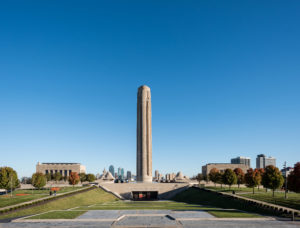
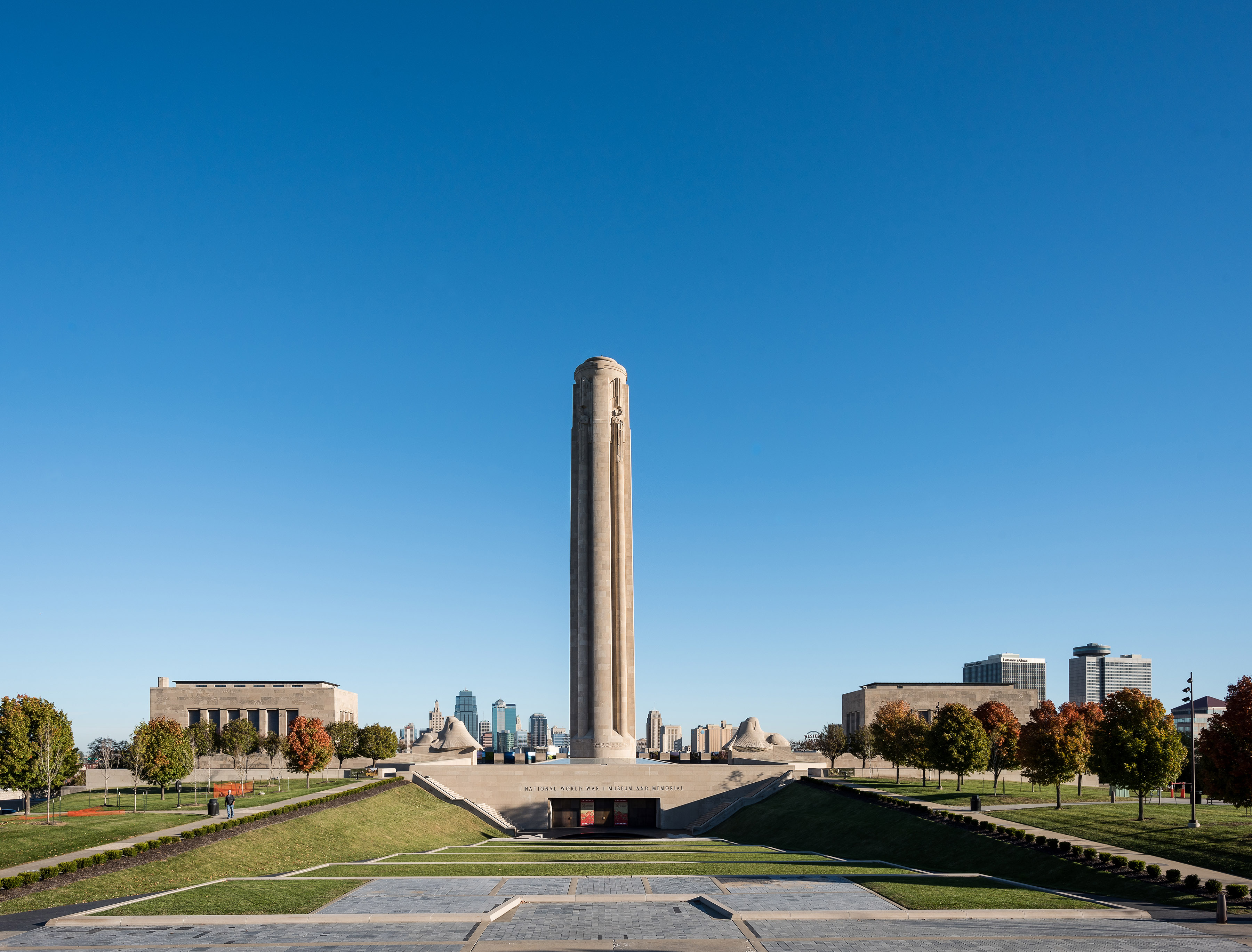
The National World War I Museum and Memorial, located in Kansas City, Missouri, is an institution dedicated to “remembering, interpreting and understanding the Great War and its enduring impacts on the global community.” Since COVID-19 has forced this museum to close its doors to the public, it has remained focused on its mission and has transitioned its staff to work on a special project as well as transitioned its retail operations to sell via online platforms.
 Dr. Naylor described that the central purpose of this project is to give access to the museum and memorial’s collection to a broader, diverse audience. “In this new format, students, researchers and families will be able to translate to other languages, access (the information) if sight impaired and make use of these often deeply personal archival materials that until now were not available. These stories are incredible and they help us create a personal and human connection to a war that ended more than 100 years ago,” he said.
Although this is an internal project, Dr. Naylor is exploring various ways to expand and offer it to the general public. “In the course of a normal year, we might have the capacity to transcribe several hundred pages of letters,” he said. “After transitioning members of our team to a group focused on transcription, we’ve processed more than 1,000 pages in just a few weeks.” Naylor and team are working on developing a framework in which to open the project to the public, which would increase the rate of transcribing the letters.
Once all the transcripts have been digitized, the public may access the information on the online collections database on the Museum and Memorial’s website. Naylor explained that in addition to the transcripts, there are more than 40,000 searchable images, documents and more available to the public through the online database.
Staff members have provided positive feedback regarding the transcription project. “Members of the team are really enjoying the process as it’s creating a connection point between themselves and the authors of these items from more than 100 years ago,” Naylor emphasized. “The content of many of these items is quite striking and can be extremely emotional. Our team members understand that the role they are serving is to create a platform for these amazing items to be shared. This is important work and it’s quite rewarding.”
Joe Saviano, member of the guest services team shared his experience on the digitization initiative: “The batch I’m working on now is a British soldier who just received word that his wife had given birth to a stillborn child. And the next day after receiving that notice, he was informed that he would have to have his leg amputated. So, he is writing a letter to his sister describing how much bad luck he is having. But, in his letter, he says ‘We’ll get through it with the help of God.’ These letters are really quite incredible and moving.” He also expressed gratitude that he and guest service team members have been able to continue work, without any lost time.
Dr. Naylor described that the central purpose of this project is to give access to the museum and memorial’s collection to a broader, diverse audience. “In this new format, students, researchers and families will be able to translate to other languages, access (the information) if sight impaired and make use of these often deeply personal archival materials that until now were not available. These stories are incredible and they help us create a personal and human connection to a war that ended more than 100 years ago,” he said.
Although this is an internal project, Dr. Naylor is exploring various ways to expand and offer it to the general public. “In the course of a normal year, we might have the capacity to transcribe several hundred pages of letters,” he said. “After transitioning members of our team to a group focused on transcription, we’ve processed more than 1,000 pages in just a few weeks.” Naylor and team are working on developing a framework in which to open the project to the public, which would increase the rate of transcribing the letters.
Once all the transcripts have been digitized, the public may access the information on the online collections database on the Museum and Memorial’s website. Naylor explained that in addition to the transcripts, there are more than 40,000 searchable images, documents and more available to the public through the online database.
Staff members have provided positive feedback regarding the transcription project. “Members of the team are really enjoying the process as it’s creating a connection point between themselves and the authors of these items from more than 100 years ago,” Naylor emphasized. “The content of many of these items is quite striking and can be extremely emotional. Our team members understand that the role they are serving is to create a platform for these amazing items to be shared. This is important work and it’s quite rewarding.”
Joe Saviano, member of the guest services team shared his experience on the digitization initiative: “The batch I’m working on now is a British soldier who just received word that his wife had given birth to a stillborn child. And the next day after receiving that notice, he was informed that he would have to have his leg amputated. So, he is writing a letter to his sister describing how much bad luck he is having. But, in his letter, he says ‘We’ll get through it with the help of God.’ These letters are really quite incredible and moving.” He also expressed gratitude that he and guest service team members have been able to continue work, without any lost time.
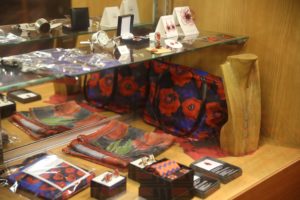 The team has now enhanced the overall online shopping experience for its customers. “We have improved the quality of the imagery on the site, we have created more robust descriptions for our products and we’ve utilized search engine optimization strategies across the online store to help drive additional sales. Each of these enhancements can be done remotely and have already paid dividends,” he shared.
The Museum uses the Shopify platform for its retail offerings and social media is also an important driver according to Naylor. Since the content of the the Museum and Memorial is educational and historical in nature, the store provides a way to tie in products that reinforce the educational components. To help communicate its retail offerings, the team will share information in its monthly email communications and that helps form a connection to specific items available through the online shop. “Our store almost always ranks among the highest number of click-throughs,” he said.
The team has now enhanced the overall online shopping experience for its customers. “We have improved the quality of the imagery on the site, we have created more robust descriptions for our products and we’ve utilized search engine optimization strategies across the online store to help drive additional sales. Each of these enhancements can be done remotely and have already paid dividends,” he shared.
The Museum uses the Shopify platform for its retail offerings and social media is also an important driver according to Naylor. Since the content of the the Museum and Memorial is educational and historical in nature, the store provides a way to tie in products that reinforce the educational components. To help communicate its retail offerings, the team will share information in its monthly email communications and that helps form a connection to specific items available through the online shop. “Our store almost always ranks among the highest number of click-throughs,” he said.
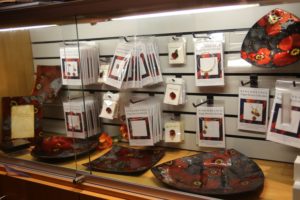 To handle fulfillment of orders, Naylor said his guest services team members regularly rotate schedules in order to fill and ship items. “We’re still continuing to see a consistent level of sales through the online store, which has been terrific,” Naylor said. He believes the success is due to the public seeking to help the Museum and Memorial, which is important as the WWI Museum and Memorial does not receive federal funding despite its national designation.
Naylor said that The Museum and Memorial holds the most comprehensive collection of World War I objects and documents in the world and is the second-oldest public museum dedicated to preserving the objects, history and experiences of the war. This organization is able to take visitors on a unique and “epic journey through a transformative period and shares deeply personal stories of courage, honor, patriotism and sacrifice.”
Designated by Congress as America’s official World War I Museum and Memorial, this organization “inspires thought, dialogue and learning to make the experiences of the Great War era meaningful and relevant for present and future generations.”
To handle fulfillment of orders, Naylor said his guest services team members regularly rotate schedules in order to fill and ship items. “We’re still continuing to see a consistent level of sales through the online store, which has been terrific,” Naylor said. He believes the success is due to the public seeking to help the Museum and Memorial, which is important as the WWI Museum and Memorial does not receive federal funding despite its national designation.
Naylor said that The Museum and Memorial holds the most comprehensive collection of World War I objects and documents in the world and is the second-oldest public museum dedicated to preserving the objects, history and experiences of the war. This organization is able to take visitors on a unique and “epic journey through a transformative period and shares deeply personal stories of courage, honor, patriotism and sacrifice.”
Designated by Congress as America’s official World War I Museum and Memorial, this organization “inspires thought, dialogue and learning to make the experiences of the Great War era meaningful and relevant for present and future generations.”
Special Projects
Dr. Matthew Naylor, president and CEO of the National World War I Museum and Memorial shared that before the actual crisis began his team developed a plan of action to keep staff focused on initiatives that are core to its mission and that would allow them to be financially responsible to the overall organization. “It’s a creative solution to provide continuous work opportunities to our team members who otherwise wouldn’t necessarily have tasks during the period of time when the museum is closed and to serve the public across the world,” he said. Staff members were divided into five groups, each dedicated to supporting a project geared towards a global audience. “One of those teams focuses on Digitization and Transcription. The National WWI Museum and Memorial possesses the most comprehensive World War I collection in the world, which includes thousands of pages of letters, diaries and journals. With the Museum being closed due to the virus, one of our team members came up with the brilliant idea to use this time toward our goal of fully transcribing those items from the collection,” Naylor shared. “Doing so will enable the resources to be accessed by sight impaired users and easily translated into multiple languages. We are thrilled to be able to focus a large team toward this accessibility project.”
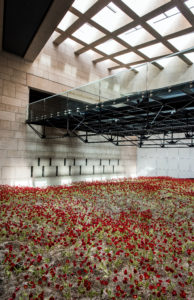
The poppies at National WWI Museum and Memorial are for “Remembrance and Commemoration.”
Retail Offerings
Although this time is challenging for the retail setting, Naylor and the team have identified ways to remain productive and also uncovered ways to enhance or improve the store’s offerings. For instance, in 2017 the Museum and Memorial shifted its platforms for the online store. “At that time, we transitioned from a very mediocre online presence to a platform with much more robust capabilities,” Dr. Naylor said. Now with the digital sales, the team is now just utilizing some of the capabilities they hadn’t had time to utilize prior to COVID-19.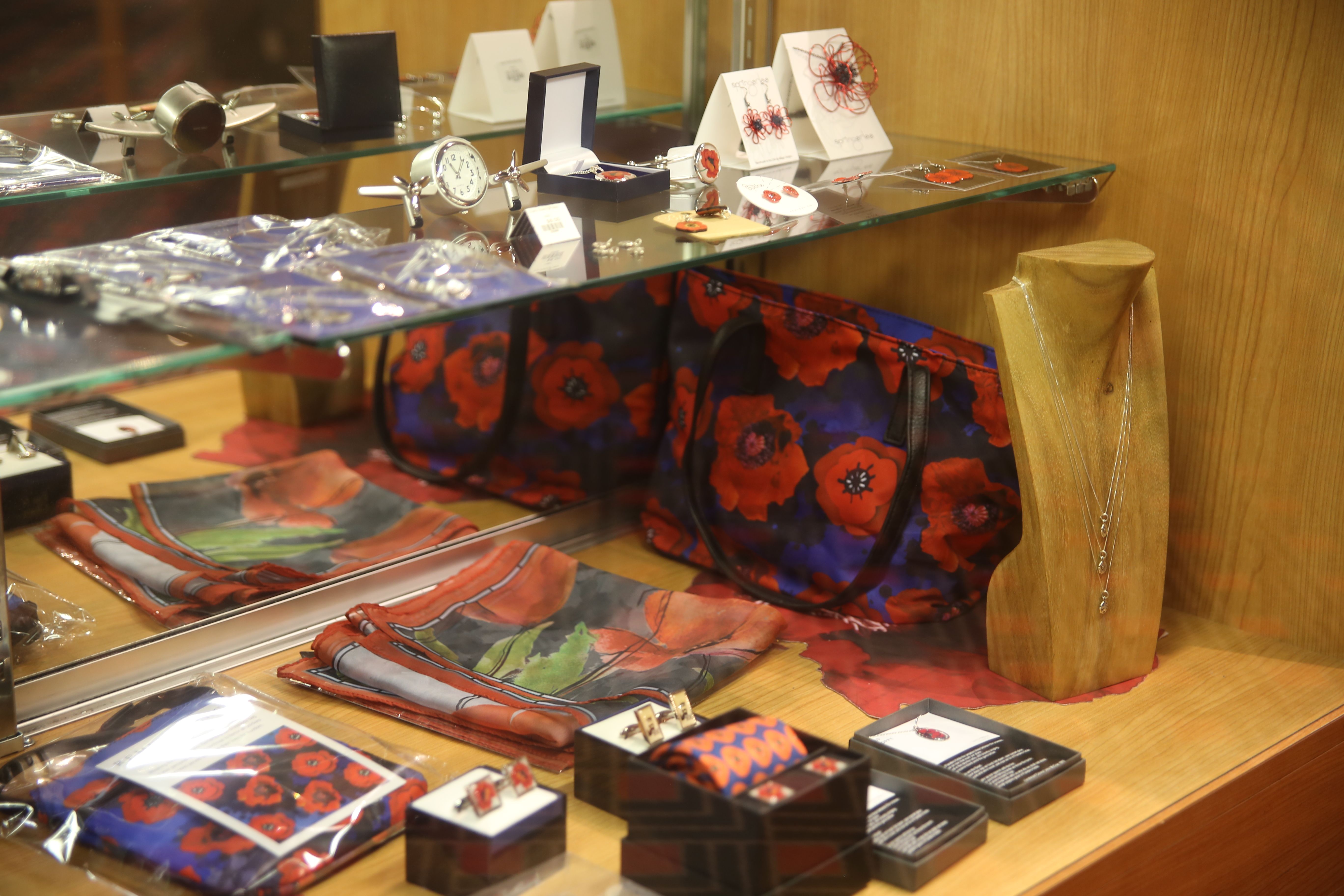 The team has now enhanced the overall online shopping experience for its customers. “We have improved the quality of the imagery on the site, we have created more robust descriptions for our products and we’ve utilized search engine optimization strategies across the online store to help drive additional sales. Each of these enhancements can be done remotely and have already paid dividends,” he shared.
The Museum uses the Shopify platform for its retail offerings and social media is also an important driver according to Naylor. Since the content of the the Museum and Memorial is educational and historical in nature, the store provides a way to tie in products that reinforce the educational components. To help communicate its retail offerings, the team will share information in its monthly email communications and that helps form a connection to specific items available through the online shop. “Our store almost always ranks among the highest number of click-throughs,” he said.
The team has now enhanced the overall online shopping experience for its customers. “We have improved the quality of the imagery on the site, we have created more robust descriptions for our products and we’ve utilized search engine optimization strategies across the online store to help drive additional sales. Each of these enhancements can be done remotely and have already paid dividends,” he shared.
The Museum uses the Shopify platform for its retail offerings and social media is also an important driver according to Naylor. Since the content of the the Museum and Memorial is educational and historical in nature, the store provides a way to tie in products that reinforce the educational components. To help communicate its retail offerings, the team will share information in its monthly email communications and that helps form a connection to specific items available through the online shop. “Our store almost always ranks among the highest number of click-throughs,” he said.
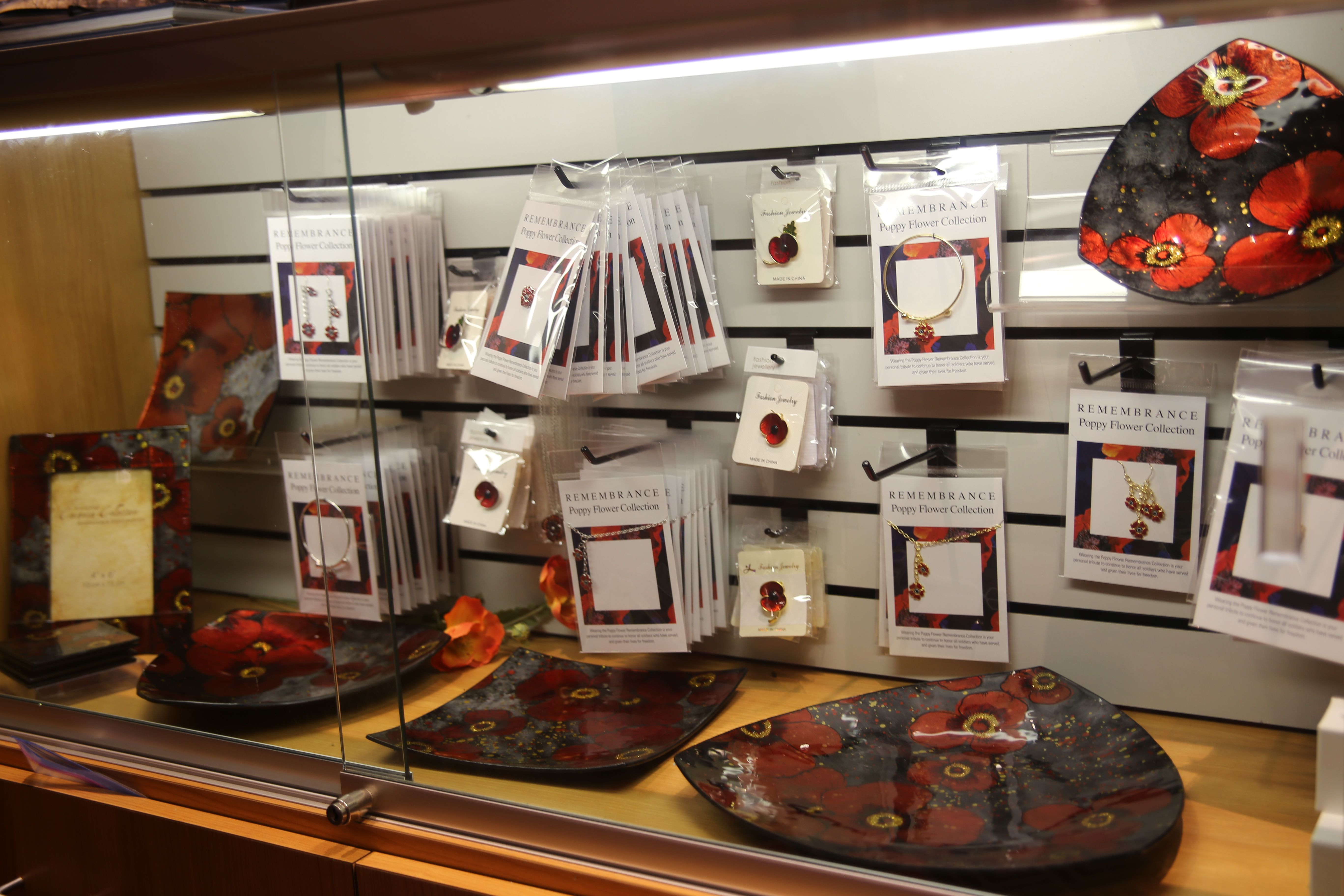 To handle fulfillment of orders, Naylor said his guest services team members regularly rotate schedules in order to fill and ship items. “We’re still continuing to see a consistent level of sales through the online store, which has been terrific,” Naylor said. He believes the success is due to the public seeking to help the Museum and Memorial, which is important as the WWI Museum and Memorial does not receive federal funding despite its national designation.
Naylor said that The Museum and Memorial holds the most comprehensive collection of World War I objects and documents in the world and is the second-oldest public museum dedicated to preserving the objects, history and experiences of the war. This organization is able to take visitors on a unique and “epic journey through a transformative period and shares deeply personal stories of courage, honor, patriotism and sacrifice.”
Designated by Congress as America’s official World War I Museum and Memorial, this organization “inspires thought, dialogue and learning to make the experiences of the Great War era meaningful and relevant for present and future generations.”
To handle fulfillment of orders, Naylor said his guest services team members regularly rotate schedules in order to fill and ship items. “We’re still continuing to see a consistent level of sales through the online store, which has been terrific,” Naylor said. He believes the success is due to the public seeking to help the Museum and Memorial, which is important as the WWI Museum and Memorial does not receive federal funding despite its national designation.
Naylor said that The Museum and Memorial holds the most comprehensive collection of World War I objects and documents in the world and is the second-oldest public museum dedicated to preserving the objects, history and experiences of the war. This organization is able to take visitors on a unique and “epic journey through a transformative period and shares deeply personal stories of courage, honor, patriotism and sacrifice.”
Designated by Congress as America’s official World War I Museum and Memorial, this organization “inspires thought, dialogue and learning to make the experiences of the Great War era meaningful and relevant for present and future generations.”